



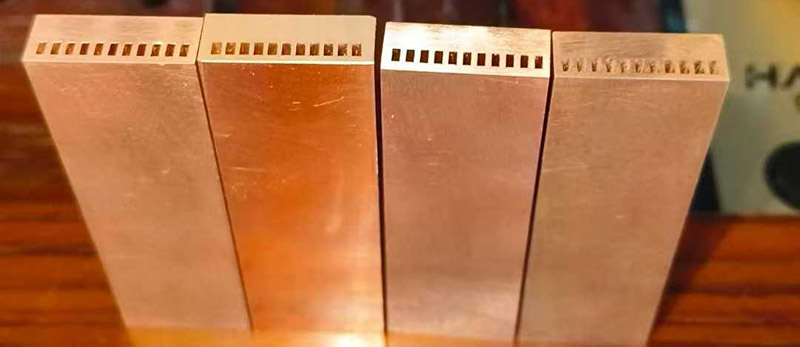
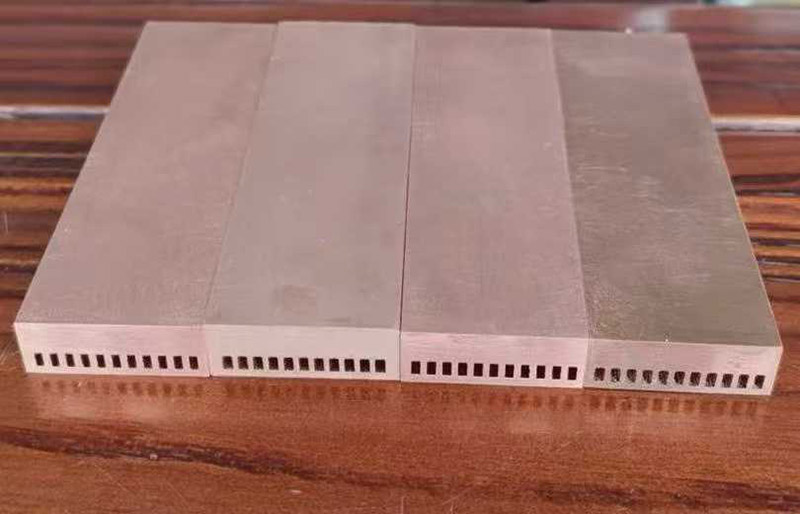

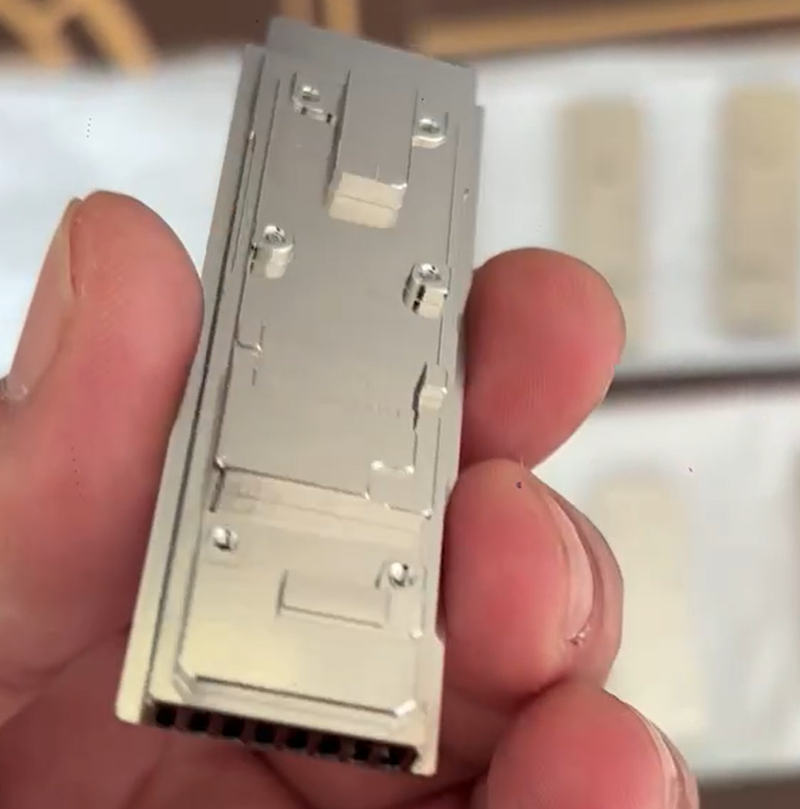
Thermal Management for Optical Transceiver Module
*Complete in one piece by Toolings
*Material: C1100
*Leakage free
*Nickel Plated
*Blister Package
In a world of optical access networks, where data speeds soar and connectivity reigns supreme, the thermal management of optical transceivers is a crucial factor that is sometimes under-discussed. As the demand for higher speeds grows, the heat generated by optical devices poses increasing challenges. Without proper thermal management, this excessive heat can lead to performance degradation, reduced reliability, and lifespan, increasing optical equipment's capital and operating expenditures.
Optical transceivers play a crucial role in modern telecommunications and data networking systems, facilitating the transmission of data over optical fibers. One often-overlooked factor that significantly influences the performance and reliability of these transceivers is their operating temperature. In this blog post, we will delve into everything you need to know about optical transceiver operating temperatures, exploring the impact on performance, common temperature specifications, and the importance of temperature management.
The best way to manage heat is to produce less of it in the first place. Optical transceivers consist of various optical and electronic components, including lasers, photodiodes, modulators, electrical drivers and converters, and even digital signal processors. Each of these elements generates heat as a byproduct of their operation. However, photonic and electronic technology advances have enabled greater device integration, resulting in smaller form factors and reduced power consumption.


